

It's all about bees
WE LOVE OUR BEES
At Tracy Bees, our love for bees is rooted in a deep respect for nature.
These tiny pollinators are architects, navigators, caretakers, communicators, food gatherers, and guardians of the natural world.
Their lives are beautifully organized, their relationship with flowers is essential, and their influence reaches far beyond the hive.
As a member of the Big Island Beekeepers Association, Tracy Bees is committed to learning, sharing, and helping others better understand the importance of honey bees, native pollinators, flowering plants, healthy habitats, and thoughtful stewardship.
The more we learn about bees, the more extraordinary they become.
A WORLD BUILT AROUND CONNECTION
A bee does not exist separately from the flower.
The flower does not exist separately from the soil.
The fruit does not exist separately from pollination.
And healthy ecosystems do not exist separately from the countless relationships that keep them alive.
Bees are part of that great web of connection.
As they move from blossom to blossom collecting nectar and pollen, they help flowering plants reproduce.
Those plants may become seeds, fruits, vegetables, nuts, herbs, trees, and habitat for countless other living creatures.
A single bee may appear small, but the work she performs can become part of something much larger.
THE EXTRAORDINARY LIFE OF THE HIVE
A honey bee colony functions as a highly organized living community.
The queen lays eggs and helps sustain the continuity of the colony.
Worker bees perform nearly every other essential task, including caring for developing bees, cleaning the hive, producing wax, regulating temperature, guarding the colony, processing nectar, storing pollen, and gathering food and water.
Male honey bees, known as drones, serve a reproductive role within the colony.
Together, thousands of bees cooperate through instinct, chemical signals, vibration, movement, scent, and shared behavior.
No single bee controls the hive.
The strength of the colony comes from cooperation.
THE LANGUAGE OF BEES
One of the most remarkable examples of honey bee intelligence is the waggle dance.
When a foraging bee discovers a valuable source of nectar, pollen, water, or another important resource, she can return to the hive and communicate where it is located.
Through the angle, direction, and duration of her movements, she can provide other bees with information about distance and direction in relation to the sun.
Other bees observe the dance, sense vibrations, and use those signals to navigate toward the resource.
It is a remarkable form of communication and one of the many reasons honey bees continue to fascinate scientists, beekeepers, and nature lovers.
THE BEAUTY OF HONEYCOMB
Honeycomb is one of nature’s most recognizable designs.
Its repeating hexagonal cells provide an efficient structure for storing honey, pollen, and developing brood while making excellent use of wax and space.
Within the hive, honeycomb is not simply beautiful.
It is architecture.
It is storage.
It is nursery space.
It is the foundation upon which much of colony life takes place.
The geometry of honeycomb has fascinated people for generations, but for the bee it is simply part of the extraordinary work of building a home.
POLLINATION: THE QUIET WORK THAT CHANGES THE WORLD
Pollination happens when pollen is transferred from the male portion of a flower to the receptive female portion of a compatible flower.
Sometimes the wind performs this work.
Sometimes birds, bats, butterflies, beetles, moths, and other animals help.
And very often, bees do.
As bees forage, pollen can cling to their bodies and move with them from flower to flower.
That transfer can help plants produce seeds and fruit.
This simple movement is one of the most important relationships in the natural world.
Flowers feed bees.
Bees help flowers reproduce.
And the cycle continues.
BEES AND THE FOOD WE EAT
Many of the foods people enjoy are connected to pollination.
Fruits, berries, nuts, seeds, vegetables, herbs, and other crops can benefit from visits by bees and other pollinators.
Pollination may influence whether fruit develops successfully, how many seeds are produced, and in some crops, the size and quality of the harvest.
Honey bees are important managed agricultural pollinators, while thousands of native bee species and other insects also contribute to pollination.
Healthy food systems depend upon healthy landscapes, and healthy landscapes depend upon biodiversity.
That is why protecting pollinators matters.
A BEE’S DINNER PLATE
For honey bees, flowers provide two essential foods: nectar and pollen.
Nectar is rich in sugars and provides energy.
Pollen supplies protein, fats, vitamins, minerals, and other nutrients that are especially important for developing bees.
Worker bees collect these resources from flowering plants and transport them back to the hive.
Pollen is often carried in specialized structures on the hind legs called pollen baskets, or corbiculae.
Nectar is carried internally and later transformed into honey.
Every trip outside the hive is a journey through the landscape in search of what the colony needs.
FROM FLOWER TO HONEY
Honey begins as nectar.
Worker bees collect nectar from flowers and carry it back to the hive, where it is transferred, processed, and gradually reduced in moisture.
Enzymes introduced by the bees help transform the nectar as it becomes honey.
Once the honey reaches the proper condition, it is stored in wax cells and sealed.
The result is one of nature’s most treasured foods.
Its color, aroma, texture, and flavor can vary depending on the flowers visited by the bees and the landscape in which they forage.
Every jar of honey tells a botanical story.
MORE THAN HONEY
Honey is only one of the remarkable materials associated with a honey bee colony.
Bees produce beeswax to construct comb.
They collect pollen as food.
They gather plant resins that become propolis and are used throughout the hive.
They also produce royal jelly to feed developing larvae and queens.
Each substance has a role within colony life.
Together, they remind us that a hive is not simply a place where honey is made.
It is a living community constantly building, feeding, protecting, repairing, storing, communicating, and preparing for the future.
HAWAIʻI, FLOWERS, AND BEEKEEPING
Hawaiʻi Island offers an extraordinary environment for observing the relationship between bees, flowering plants, agriculture, climate, and place.
Its diverse landscapes support an equally diverse world of cultivated plants, tropical blossoms, farms, gardens, forests, and wild spaces.
That richness makes local beekeeping education especially meaningful.
For Tracy Bees, our connection to the Big Island Beekeepers Association represents more than membership.
It represents a commitment to learning from the beekeeping community, respecting the land, supporting pollinators, and sharing knowledge in a way that helps people appreciate the remarkable life around them.
CHALLENGES FACING BEES
Bees face many pressures in the modern world.
Habitat loss can reduce access to flowers and safe nesting areas.
Pesticide exposure can affect bee health.
Parasites and disease can weaken colonies.
Poor nutrition can occur where large landscapes offer too little floral diversity.
Extreme weather and climate stress can also change when and where flowers bloom.
These challenges rarely exist in isolation.
Protecting bees means thinking about the whole landscape.
PLANT • SUPPORT • PROTECT
Helping bees does not always require something large.
Plant flowers.
Grow herbs.
Allow some areas to remain natural.
Choose a variety of plants that bloom at different times of year.
Provide clean, shallow water.
Reduce unnecessary pesticide use.
Support responsible beekeepers.
Learn about native pollinators.
Share what you discover.
A small garden can become a food source.
A flowering tree can become a gathering place.
A patch of herbs can become part of a pollinator corridor.
Little actions can become meaningful habitat.
WHY TRACY BEES SHARES BEE EDUCATION
At Tracy Bees, education is part of our purpose.
We believe that curiosity creates connection, and connection encourages care.
When people learn how bees communicate, how honey is made, how pollination works, how flowers support colonies, or how much life depends upon pollinators, bees become more than insects passing through the garden.
They become part of a larger story.
A story about food.
A story about flowers.
A story about biodiversity.
A story about cooperation.
A story about the natural world.
And that is where the heart of Tracy Bees lives.
NOW, LET’S GO DEEPER INTO THE HIVE
There is still so much more to discover.
How does honey support the skin?
Why is honeycomb shaped the way it is?
How do bees communicate?
What plants help support pollinators?
Why do bees matter to food systems and healthy ecosystems?
What are some of the most fascinating facts about honey bees?
Below, we invite you to explore the Tracy Bees educational collection a visual journey through honey, pollination, bee behavior, botanical beauty, conservation, and the extraordinary world of bees.
Learn more about why we love our bees
.png)
Honey has been treasured in natural skin care for generations because of its remarkable ability to attract and retain moisture.
As a natural humectant, honey can help the skin hold onto hydration, leaving it feeling softer, smoother, and more supple.
Its naturally occurring antioxidants and plant-derived compounds also make honey a beautiful addition to a gentle skin-care routine, especially when the goal is to support the skin’s natural moisture barrier and maintain a healthy-looking glow.
Beyond hydration, honey is valued for its naturally cleansing and soothing qualities.
When used appropriately in skin-care preparations, it can help leave the complexion feeling refreshed, conditioned, and comfortable while supporting the appearance of soft, radiant skin.
From traditional beauty preparations to modern botanical skin care, honey continues to be one of nature’s most beloved ingredients and an important reminder of the extraordinary gifts bees provide.

Honey has been valued in skin care for centuries because of its naturally moisturizing and soothing qualities.
It acts as a humectant, helping attract and retain moisture so skin can feel softer, smoother, and more comfortable.
Honey also contains naturally occurring antioxidants and compounds that make it a beautiful ingredient for supporting healthy-looking, radiant skin.
Its gentle cleansing and exfoliating properties can help refresh the surface of the skin without making it feel stripped or overly dry.
Honey is also commonly appreciated for helping calm the look of minor irritation and supporting a more even, luminous complexion.
From traditional remedies to modern botanical beauty routines, honey remains one of nature’s most treasured ingredients for nourishing the skin.

Honey has long been treasured as a natural ingredient for caring for the skin.
Its humectant properties help attract and retain moisture, which can leave skin feeling softer, more supple, and comfortably hydrated.
Honey also contains naturally occurring antioxidants and compounds that support a healthy-looking complexion and make it a beautiful addition to botanical skin-care routines.
This Tracy Bees guide also highlights several traditional ways honey has been used in beauty care, including facial masks, gentle exfoliating preparations, spot applications, bath soaks, and overnight moisturizing treatments.
Different varieties of honey may offer slightly different qualities, but all share honey’s rich connection to bees, flowers, and the natural world.

Honey has been used in traditional skin care for generations because of its naturally soothing, moisturizing, and protective qualities.
Its humectant properties help draw moisture toward the skin, while its naturally occurring antioxidants can support a softer, smoother, and healthier-looking complexion.
Honey is also commonly valued for helping calm the look of redness and dryness, making it a beloved ingredient in gentle botanical skin-care routines.
This Tracy Bees guide also explores some of the ways honey has historically been used to support the appearance of stressed, blemish-prone, or weathered skin.
From moisturizing and softening to helping maintain the skin’s natural barrier, honey remains one of the most versatile gifts produced by bees.
Its long history in beauty care reflects a simple idea that continues to hold true: some of the most treasured skin-care ingredients come directly from the natural world.

Honey is one of nature’s most versatile beauty ingredients, valued for its ability to attract and retain moisture while helping skin feel soft, smooth, and nourished.
In skin care, it can support gentle cleansing, hydration, mild exfoliation, and a healthy-looking glow.
Its naturally occurring antioxidants also make it a treasured addition to routines designed to care for dry, dull, or weathered-looking skin.
Its usefulness extends beyond the face.
Honey has traditionally been incorporated into lip care, hand and cuticle treatments, foot care, hair conditioning, and body moisturizers because of its soothing and moisture-supporting qualities.
This Tracy Bees guide celebrates honey as a simple botanical beauty ingredient with applications from head to toe.

Honey has long been appreciated as a natural beauty ingredient because it can help attract and retain moisture while supporting softer, smoother-looking skin and hair.
In facial care, it may be used in moisturizing masks, gentle exfoliating preparations, and targeted applications for dry or blemish-prone areas.
Its naturally occurring antioxidants and soothing qualities also make it a beautiful addition to routines designed to care for skin that feels stressed, dry, or weathered.
Beyond facial care, honey can be used in bath soaks, cuticle care, lip treatments, and hair-conditioning preparations, making it one of nature’s most versatile beauty allies.
This Tracy Bees guide celebrates the many ways honey can be incorporated into gentle,
nature-inspired self-care while honoring the extraordinary work of the bees that create it.

Bees are far more diverse than most people realize.
Thousands of species live around the world, and the majority are solitary rather than hive-dwelling.
Honey bees are among the best-known social bees, living in highly organized colonies where workers cooperate to care for young, gather food, protect the nest, and communicate important information.
One of their most remarkable behaviors is the waggle dance, which allows foragers to share the direction and distance of valuable food sources.
Bees also play an essential role in pollination, supporting flowering plants, crops, wild habitats, and biodiversity.
At the same time, bee populations face pressures from habitat loss, pesticide exposure, disease, and environmental stress.
This Tracy Bees guide celebrates the extraordinary variety, intelligence, anatomy, behavior, and ecological importance of bees while reminding us why protecting them matters.

Bees are essential to healthy ecosystems because they help pollinate flowering plants, crops, trees, fruits, vegetables, nuts, and seeds.
Their work supports biodiversity, strengthens food systems, and helps maintain the plant communities that wildlife and people depend on.
In this way, bees connect agriculture, forests, gardens, and natural habitats into one living system.
Their importance extends beyond pollination alone.
Bees contribute to farming economies, scientific research, and the long-term health of landscapes, while their populations can also reflect changes in environmental conditions.
Protecting bees means protecting habitat, reducing harmful pesticide exposure, supporting diverse flowering plants, and recognizing these tiny pollinators as true guardians of the natural world.
.png)
One of the most meaningful ways to support bees is to give them a steady supply of nectar and pollen throughout the growing season.
Planting a diverse mix of flowering trees, herbs, annuals, fruits, vegetables, shrubs, and perennials can create a richer and more reliable food source for honey bees and other pollinators.
Plants such as lavender, rosemary, bee balm, clover, sunflowers, berries, fruit trees, and flowering shrubs can all contribute to a healthier pollinator habitat.
A bee-friendly garden does more than provide food. It can also support biodiversity, strengthen local ecosystems, and create valuable habitat in places where natural forage has been reduced.
This Tracy Bees guide is a reminder that even a small garden, patio, or planting bed can make a difference.
More flowers truly can mean brighter futures for bees.

The waggle dance is one of the most remarkable examples of communication in the insect world.
When a honey bee discovers a valuable resource, she can return to the hive and perform a patterned dance that helps other foragers understand where that resource is located.
The angle of the waggle run communicates direction in relation to the sun, while the duration and intensity of the dance help convey distance and the quality of the discovery.
Honey bees can even adjust this information as the sun moves across the sky, allowing the message to remain useful over time.
Other bees observe the dance, sense vibrations, and use those signals to navigate toward the location.
This Tracy Bees guide highlights just how sophisticated bee communication can be and why honey bees continue to fascinate scientists, beekeepers, and nature lovers alike.

Bees are deeply connected to the foods and landscapes we depend on.
Through pollination, they help many flowering plants reproduce and support crops such as fruits, vegetables, nuts, and seeds.
Their work strengthens biodiversity, contributes to agricultural productivity, and helps sustain the ecosystems that both wildlife and people rely upon.
Bee populations can face serious pressures from habitat loss, pesticide exposure, parasites, disease, poor nutrition, and climate stress.
This Tracy Bees guide highlights practical ways to help, including planting bee-friendly flowers, reducing harmful pesticide use, supporting local beekeepers, providing safe water sources, and protecting nesting habitat.
Small actions can add up to meaningful support for bees and the natural world they help sustain.
.png)
Honey bees are extraordinary insects with highly organized social lives and remarkable communication abilities.
Worker bees can share information about food sources through the waggle dance, queens can lay large numbers of eggs during peak season, and colonies may contain tens of thousands of bees working together.
Honey bees also pass through four stages of development egg, larva, pupa, and adult and rely on specialized roles that help the colony function as a living community.
Their importance extends far beyond the hive.
Honey bees contribute to pollination, support food production, and help maintain healthy ecosystems by assisting flowering plants in reproduction.
From their five eyes and powerful sense of smell to their ability to visit many flowers in a single day, these tiny pollinators demonstrate just how complex and important the natural world can be.
The Tracy Bees Hive
.png)
Explore the Gallery
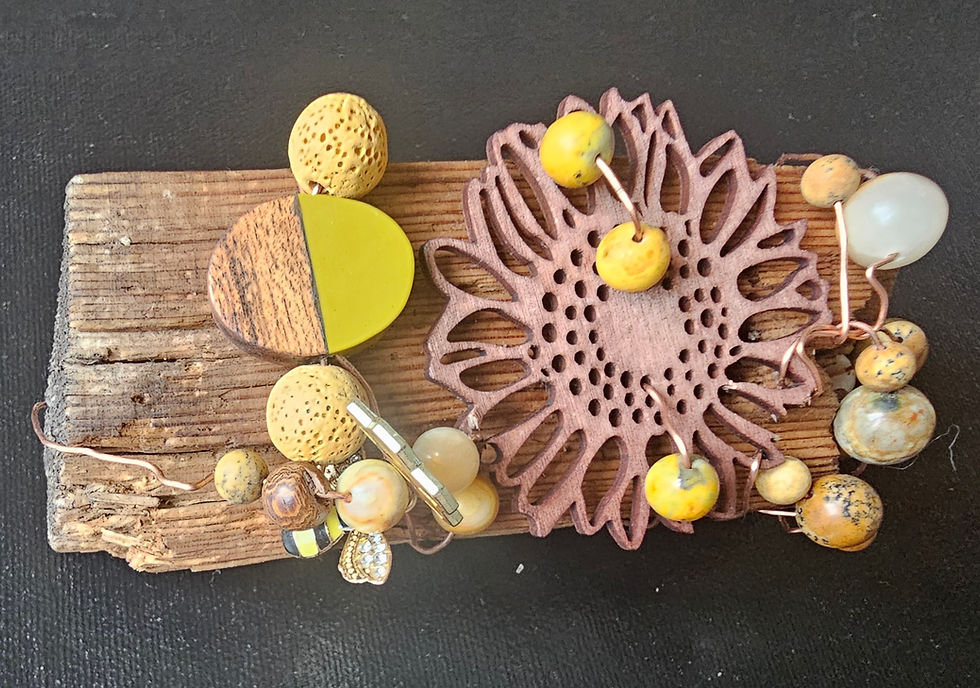
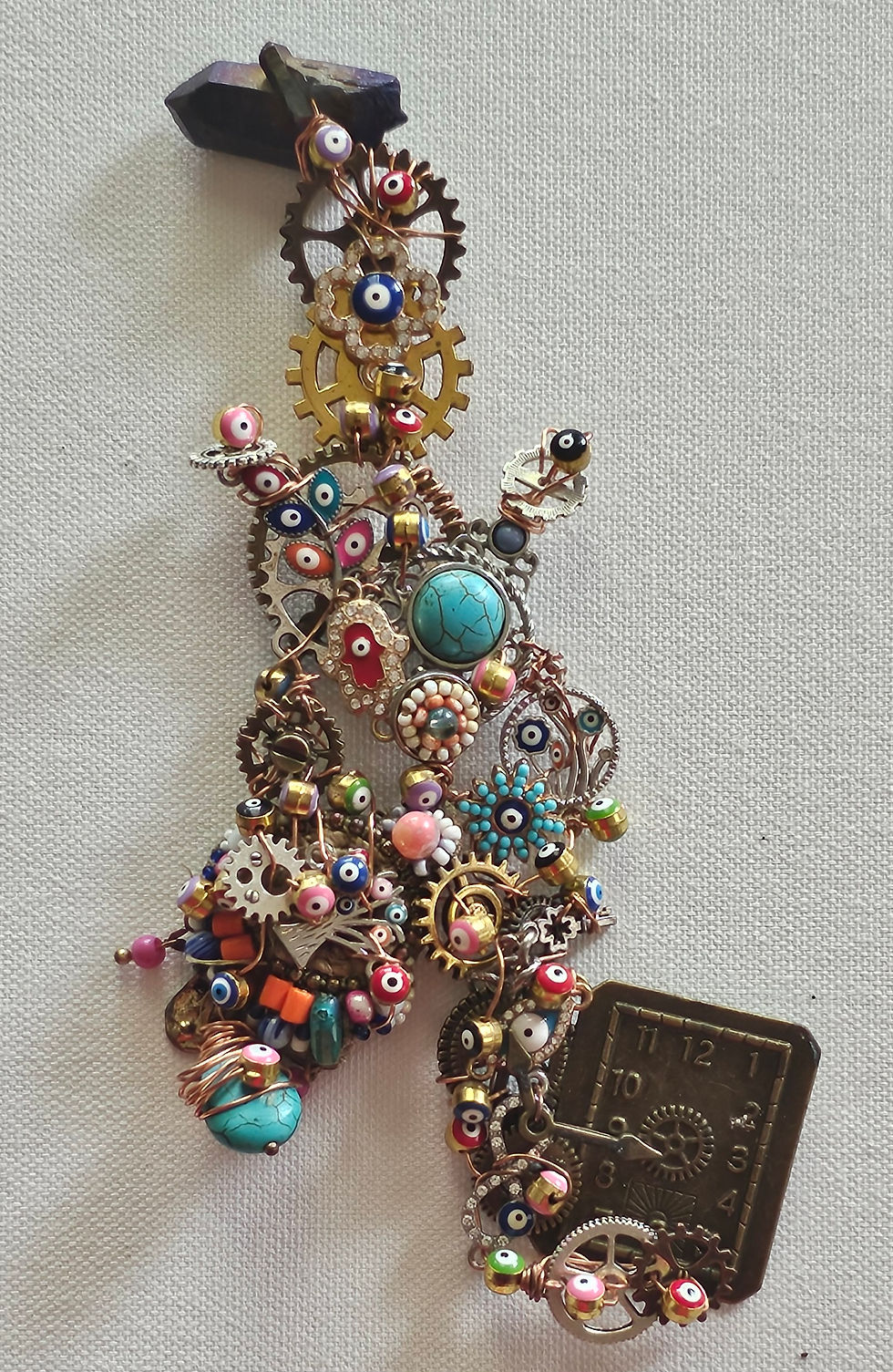
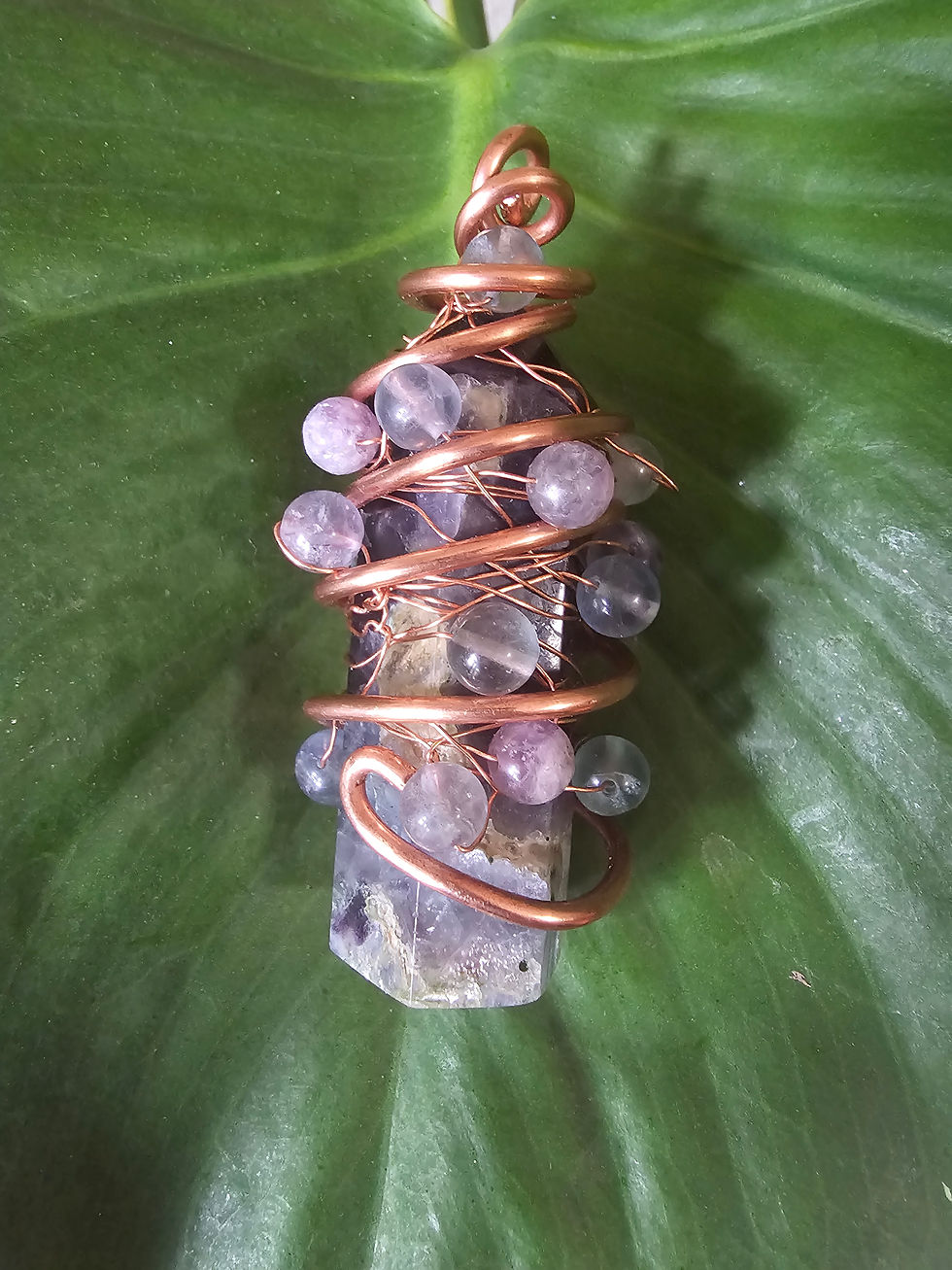
Welcome to a sacred space of beauty, devotion, and Divine expression.
Each creation held within this gallery is a radiant extension of Love formed by hand, guided by intention, and inspired by the eternal wisdom that flows through all of nature.
Here, art becomes more than form.
It becomes remembrance.
A remembrance of harmony.
A remembrance of joy.
A remembrance of the truth that beauty is a Divine Law meant to heal, uplift, and awaken the light within.
From copper-wrapped sculptures and vibrational tools to Earth-born jewelry and elemental adornments, each piece is offered as a gentle companion on your journey of inner and outer alignment.
Whether you are drawn by sight, touch, or simply the quiet pull of resonance, know that what you find here is infused with the frequency of Love, Peace, and Purpose.
May this gallery inspire your highest remembrance.
May it reflect your own sacred beauty.
And may it remind you that everything you are seeking… is already within you.