


Organic Beekeeping: Natural Methods for Ethical and Sustainable Hive Care
- Tracy Bees
- Jul 31
- 6 min read

Updated: 6 days ago

A Bee-First Guide to Healthy Honey Bee Colonies,
Ethical Hive Care, and Sustainable Beekeeping
Welcome to the Tracy Bees Organic Beekeeping Guide
Organic beekeeping is more than maintaining a hive or collecting honey. It is a thoughtful, bee-first approach to caring for honey bees in ways that respect their natural biology, protect the surrounding environment, and support the long-term health of the entire colony. Rather than treating the hive as a production system, ethical beekeeping recognizes it as a living community one that depends on clean forage, balanced nutrition, responsible monitoring, seasonal awareness, and gentle stewardship.

At Tracy Bees, we believe successful organic beekeeping begins with one essential question: What do the bees need to thrive? A healthy honey bee colony depends on diverse nectar and pollen sources, clean water, proper ventilation, sufficient food reserves, a productive queen, and thoughtful protection from pests, disease, harsh chemicals, and environmental stress.
Organic beekeeping brings these needs together through natural, practical, and science-informed hive-care methods. By observing the colony carefully and responding with gentle, responsible support, beekeepers can encourage stronger brood patterns, healthier bees, sustainable honey production, and a more balanced relationship with the surrounding ecosystem.
This bee-first approach is not about controlling every part of the hive. It is about creating the healthiest conditions possible, respecting the colony’s natural rhythms, and making thoughtful decisions that protect both honey bees and native pollinators.

The Core Principles of Organic Beekeeping
A successful organic beekeeping practice is built on several connected principles: healthy forage, responsible hive placement, natural materials, balanced nutrition, careful observation, ethical harvesting, and protection from preventable stress. These elements work together. A colony with abundant flowers may still struggle if ventilation is poor, while a well-built hive may weaken if too much honey is removed or early warning signs are ignored.
The most effective beekeepers learn to read the colony as a living system. Bee activity, brood development, pollen stores, honey reserves, hive scent, sound, population strength, and seasonal behavior all provide valuable clues about colony health. By paying attention to these signals, beekeepers can respond earlier, intervene more gently, and make decisions that support both short-term stability and long-term resilience.

Supporting Bees Through Native Plants and Biodiversity
Native plants are one of the most valuable resources a beekeeper can provide. Because they are naturally adapted to the local climate, soil, and seasonal patterns, they often produce reliable nectar and pollen while requiring less water and fewer chemical treatments. A garden filled with native flowers, flowering herbs, shrubs, and trees gives honey bees a broader and more dependable food supply throughout the year.
Plant diversity also supports far more than honey bees. Bumblebees, solitary bees, butterflies, moths, hummingbirds, and other pollinators all depend on healthy habitat. Group flowers in clusters, choose species with different bloom times, provide shallow clean water, and avoid pesticides whenever possible. By creating a pollinator-friendly garden, you strengthen the entire ecosystem surrounding the hive and help build a more resilient future for bees.

Understanding the Honey Bee Colony
Every healthy honey bee colony depends on three distinct members: the queen, the workers, and the drones. Each has a different body structure and responsibility, yet all three are essential to the colony’s survival. Understanding these roles helps beekeepers recognize normal hive behavior, identify possible problems, and make better decisions during inspections.
The queen is the colony’s primary egg-layer and the biological center of the hive. Worker bees are female and perform nearly every daily task, including nursing brood, building comb, gathering nectar and pollen, cleaning cells, regulating temperature, and defending the colony. Drones are male bees whose main biological role is to mate with a queen. Together, these bees form a highly organized community in which every member contributes to the strength and continuity of the hive.

Reading Honeycomb and Brood Patterns
Honeycomb is more than a storage structure it is the living architecture of the colony. Bees use individual cells to raise brood, store pollen, preserve honey, and maintain the organization of the hive. During inspections, the appearance and arrangement of these cells can reveal important information about queen performance, nutrition, colony strength, and possible stress.
A healthy brood pattern is generally compact and even, with relatively few empty cells scattered through the brood area. A spotty or irregular pattern may be associated with queen issues, pests, disease, chilled brood, or nutritional stress, although no single sign should be judged in isolation. Responsible beekeepers look at the entire colony, including bee behavior, food stores, larvae, capped brood, hive scent, and seasonal conditions, before deciding whether intervention is needed.

Recognizing a Healthy Hive Versus a Stressed Hive
A healthy honey bee colony usually shows steady, purposeful activity, a compact brood pattern, adequate honey and pollen stores, good ventilation, and a consistent population of active workers. The queen should be laying regularly, the comb should appear well maintained, and the bees should have access to clean water and diverse seasonal forage. These signs suggest that the colony has the resources and internal balance needed to raise brood, regulate hive conditions, and prepare for seasonal changes.
A stressed hive may show scattered brood, reduced bee activity, low food reserves, poor airflow, limited forage, unusual odors, visible pests, or declining population strength. One warning sign alone does not always indicate a serious problem, but several changes together deserve careful attention. Responsible beekeepers observe the whole colony, document what they see, and respond with the gentlest effective action rather than making rushed or unnecessary interventions.

Seasonal Hive Care and Winter Preparation
Honey bee colonies change dramatically throughout the year, so responsible hive care must follow the seasons. In spring, beekeepers watch brood growth, food reserves, queen performance, and available space.
Summer care focuses on ventilation, clean water, nectar flow, swarm awareness, and gentle inspections that avoid unnecessary disruption during the colony’s busiest period.
In fall, the goal shifts toward preparation. Beekeepers assess honey stores, reduce robbing pressure, monitor pests, and make sure the colony is strong enough for colder weather.
During winter, inspections should be limited, moisture and wind protection become especially important, and the bees should be allowed to cluster with as little disturbance as possible. Working with these natural rhythms supports stronger colonies and more sustainable beekeeping.
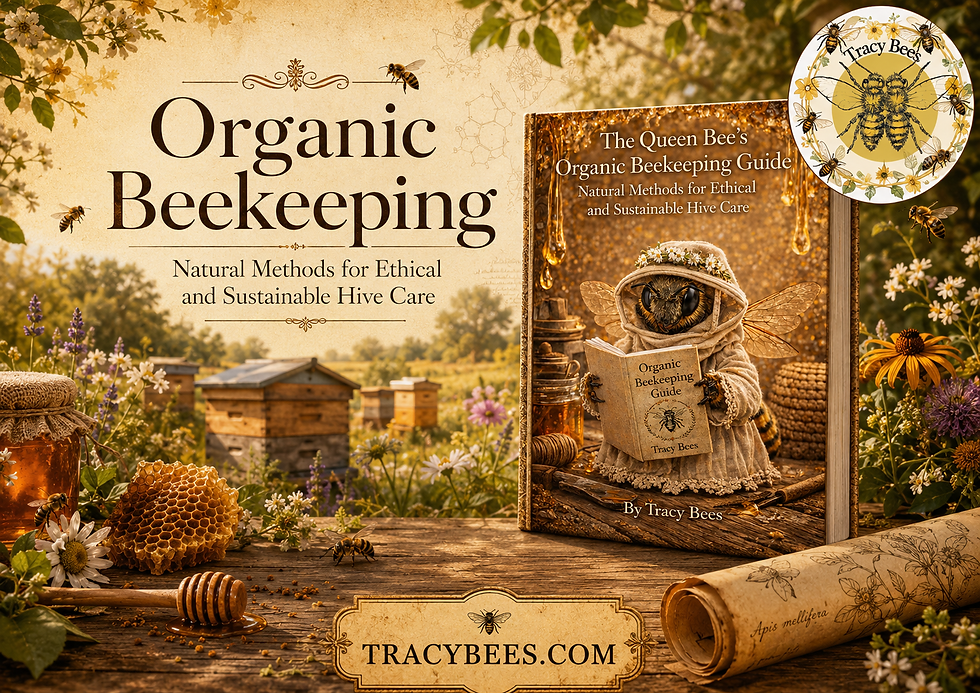
Featured Book: the Queen Bee's Organic Beekeeping Guide
The Queen Bee’s Organic Beekeeping Guide: Natural Methods for Ethical and Sustainable Hive Care offers readers something truly special: the story and wisdom of the hive told from the point of view of the queen bee herself. Through her voice, readers are invited to see beekeeping not as ownership or control, but as stewardship a respectful partnership built on observation, balance, and care for the colony’s natural rhythms.
The book explores ethical honey harvesting, seasonal hive preparation, natural nutrition, biodiversity, responsible Varroa awareness, and the importance of protecting native pollinators alongside honey bees. Warm, educational, and easy to understand, it is a meaningful guide for new beekeepers, experienced hive keepers, families, gardeners, and anyone who wants to create a healthier, more sustainable relationship with bees.

Continue Learning with the Tracy Bees Blog
Continue exploring the Tracy Bees blog for warm, practical, and educational articles about honey, bees, animals, natural wellness, and responsible stewardship. Each guide is created to make helpful information easy to understand while encouraging a healthier relationship with nature.

Explore More Tracy Bees Products

Tracy Bees is more than a beekeeping resource it is a nature-inspired collection of books, body butters, handmade art, and meaningful creations rooted in education, beauty, and connection. From bee-centered books and nourishing body butters to Bee Love Rock Art Jewelry, Queen Bee Pillars, Wonder Gadgets, Beegets, and Beeget Rods, each offering is created to celebrate nature, creativity, and thoughtful living. Explore the Tracy Bees collection and discover products designed to educate, nourish, inspire, and uplift.

Educational
Disclaimer
The information in this article is provided for general educational purposes and is not a substitute for guidance from an experienced beekeeper, local beekeeping association, veterinarian, agricultural extension service, or other qualified professional. Hive conditions, pests, diseases, treatment regulations, climate, and seasonal needs vary by location. Always inspect colonies carefully, follow applicable local laws and product instructions, and choose methods that protect the bees, the beekeeper, the honey, and the surrounding environment.

Thank You for Visiting Tracy Bees
Thank you for spending time with us and exploring a more natural, ethical, and bee-first approach to beekeeping. Every thoughtful choice from planting native flowers and protecting healthy forage to observing the hive with patience can help create stronger colonies and a healthier environment for all pollinators.
We hope this guide inspires you to keep learning, work gently with nature, and care for bees with purpose.
Visit TRACYBEES.COM to discover more educational resources, books, handmade products, and nature-inspired creations from Tracy Bees.
Bee good. Do good. Live with purpose.


Comments